
Small batch beer has a character of its own. It can feel fresher, fuller and more personal than beer made on a large scale. Each glass tells a story of careful brewing, local ingredients and hands on craft. For many beer lovers, that is what makes small batch beer so special. It is not made to taste the same as every other beer on the shelf. It is made with care, patience and a strong focus on flavour.
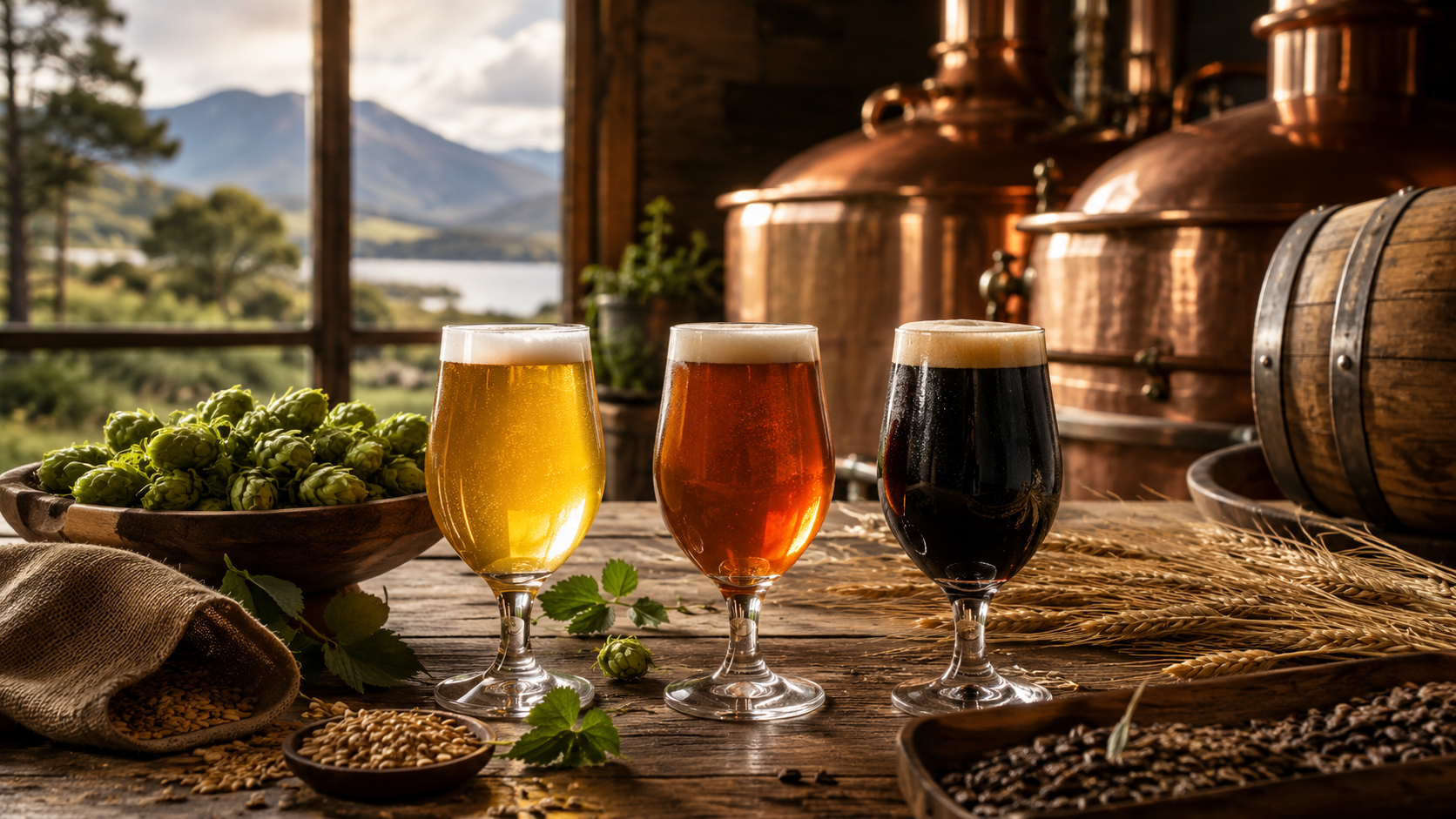
Small batch brewing is all about quality over volume. Brewers work with smaller amounts, which gives them more control over each part of the process. From choosing the malt to adding the hops and checking the beer as it matures, every step matters.
This close attention can create beer with more depth, more balance and more local character. It also gives brewers room to be creative and try new ideas.
When beer is brewed in smaller amounts, it is easier to watch each stage closely. The brewer can check the smell, colour, taste and texture as the beer develops.
This hands on approach helps shape the final flavour. If a beer needs more time to settle, it can be given that time. If a batch shows a unique flavour, it can be enjoyed for what it is.
Small batch beer often feels more crafted because it has had more direct attention from the people who made it.
Good beer starts with good ingredients. Small batch brewers often place strong focus on fresh malt, quality hops, clean water and carefully chosen yeast.
Fresh hops can bring bright notes such as citrus, pine, fruit, spice or flowers. Roasted malts can bring chocolate, coffee, toast or caramel. The cleaner and fresher the ingredients, the clearer these flavours can be in the glass.
When local ingredients are used, the beer can also carry a sense of place. This gives it a flavour that feels connected to the region it comes from.
Water is one of the main ingredients in beer, so it has a real effect on taste. Clean local water can help create a fresh and balanced base for brewing.
Soft water can suit lighter beers, while different mineral levels can change how bitterness, malt sweetness and body are felt. Even before the malt and hops are added, water is already helping shape the beer.
This is one reason small batch beer can taste different from region to region.
Yeast does more than turn sugar into alcohol. It also creates many of the flavours and aromas found in beer.
Depending on the yeast strain, beer can show notes of fruit, spice, bread, earth or gentle tartness. Some yeast creates a clean finish, while others add more layers and depth.
In small batch brewing, yeast choice can be used with great care. It helps give each beer its own voice.
Malt is the heart of many beer styles. It gives beer colour, body, sweetness and warmth.
Pale malts can create soft biscuit and grain notes. Dark malts can add coffee, cocoa, toast and roasted flavours. Caramel malts can bring sweetness, depth and a rich amber colour.
Small batch brewing lets the brewer build this malt profile with care. The result can be a beer that feels balanced and full without being too heavy.
Hops are often known for bitterness, but they do much more than that. They can add fresh aromas and bright flavours that lift the beer.
Some hops taste citrusy. Others may feel tropical, earthy, spicy, floral or herbal. The timing of the hop addition also changes the result. Hops added early bring more bitterness. Hops added later bring more aroma and flavour.
In a small batch, the brewer can adjust these choices with care, making each beer feel more expressive.
Beer often tastes better when it is given enough time to mature. During maturation, flavours soften, blend and become smoother.
This step is especially important for richer beers, darker beers and barrel aged styles. Time helps strong flavours come together, making the beer feel round and balanced.
Large scale brewing often focuses on speed and volume. Small batch brewing can allow more patience, which can lead to a more developed taste.
Some small batch beers are aged in oak barrels. This can add flavours such as vanilla, caramel, spice, oak, dried fruit, coffee or chocolate.
The barrel itself becomes part of the beer. Its wood, age and past use can all shape the final flavour. A barrel that once held whisky, bourbon or wine may leave behind soft notes that blend into the beer over time.
This kind of flavour cannot be rushed. It comes from patience, contact with wood and careful tasting.
In small batch brewing, even a small change can make a real difference. A different hop, a new malt, a change in yeast or a longer maturation time can shift the whole beer.
This is part of the charm. Small batch beer may vary from release to release, but that variation is often what makes it exciting.
It feels alive, seasonal and crafted rather than fixed and uniform.
Small batch brewing gives brewers freedom to try new ideas. They can create limited releases, seasonal beers, experimental brews and special styles that may not be possible in large production.
This means drinkers can enjoy beers with more personality. Some may be bold and rich. Some may be light and bright. Others may be unusual, tart, smoky, fruity or complex.
For curious beer lovers, small batch beer offers something new to discover.
Small batch beer tastes different because it is made differently. It comes from careful choices, fresh ingredients, hands on brewing and patience.
It can show more local character, more creativity and more depth than mass produced beer. Each batch has its own story, and each glass gives you a chance to taste the care behind it.
For anyone who enjoys real flavour and honest craft, small batch beer is always worth exploring.


Under the Liquor Licensing Act 1990 it is an offence:
for liquor to be delivered to a person under the age of 18 years.
Penalty: Fine not exceeding 20 penalty units
for a person under the age of 18 years to purchase liquor.
Penalty: Fine not exceeding 10 penalty units
Liquor Licensing Act 1990
License Number: 99359
ABN : 38653109427


